


Our vision is “Improving mental health in Japan through counseling!”
For us, “improve” has four different meanings.
Of course, the first one is to improve the mental health of the clients we meet in counseling sessions.
We believe in the power of counseling.
Yokohama Counseling Office has therapists with various different backgrounds.
While we may not be able to meet all the needs of our diverse clients, regardless of their background (race, ethnicity, nationality, religion, sexual orientation,etc.), we aim to treat our clients with respect and dignity.
We will strive to do everything we can to improve and resolve their concerns and problems and help them achieve their goals.
Read more
Our vision is “Improving mental health in Japan through counseling!”
For us, “improve” has four different meanings.
Of course, the first one is to improve the mental health of the clients we meet in counseling sessions. We believe in the power of counseling. Yokohama Counseling Office has therapists with various different backgrounds. While we may not be able to meet all the needs of our diverse clients, regardless of their background (race, ethnicity, nationality, religion, sexual orientation,etc.), we aim to treat our clients with respect and dignity. We will strive to do everything we can to improve and resolve their concerns and problems and help them achieve their goals.
The second meaning is to improve the treatment of therapists. It is widely known that nursing care workers and teachers aren’t treated well in Japan. Unfortunately, mental health professionals are not treated well, either. Most mental health therapists are required to complete a master’s degree to become licensed in Japan. However, considering a few more years of time and tuition on top of four years of college education, therapists are not compensated fairly. We believe that, if our job requires expertise, we should be treated accordingly. Also, when we say “treatment” this includes not only our right to fair compensation, but also the way we would like to be treated with respect and dignity in society.
The third meaning is to improve the skills of therapists providing mental health care. We understand that there are quite a few wonderful therapists in Japan who are willing to continuously participate in training and workshops to improve their skills. At the same time, we also know that regular supervision is not necessarily a prerequisite for getting licensed. Therapists don’t have many opportunities to learn new skills. In order to address this, we are providing supervision and hope to help novice and inexperienced therapists develop their therapeutic skills. We, ourselves, also strive in our continued professional development (CPD) to learn new therapy methods and incorporate them into our own practice.
Lastly, the fourth meaning is to improve mental health awareness in Japan. There is still strong prejudice and barriers to receiving counseling in this country. As a result, the importance of mental health is often overlooked. This leads to delays in intervention and problems being left untreated. We hope to help people become more aware of the importance of mental health by providing psycho-educational events, activities, seminars, or webinars for companies and public facilities.
×


We provide therapy in multiple languages, English, Japanese, and Chinese-Mandarin
We have therapists with different backgrounds, some of whom are bilingual. Our therapists have a lot of therapy experience and their expertise covers varying ages and concerns. Therefore, we can meet a wide range of clients’ needs.


We provide individual, couples, family, and group counseling sessions (both in person and online)
Couples and family counseling is becoming increasingly popular these days and we believe it is important to cater to this need in the community. Most of us have experience working with couples and families. Two of us use EFT (Emotionally Focused Therapy) for couples. Other therapists who don’t use EFT have a lot of experiences with couples and use other evidence based modalities.


We provide workshops on mental health for companies and supervision for therapists
As we mentioned in our vision, we are looking to provide quality supervision for therapists and improve mental health awareness among people. If you are a therapist and are looking for supervision sessions, please contact us.
Additionally, if you are part of a corporation and are interested in coordinating a workshop or a webinar on mental health (mindfulness, resiliency, stress management, etc.) please contact us.
Treatment targets people aged 4 years and older
We provide therapy for anyone above 4 years old. Some therapists provide sessions online only.
Individual counseling
Each individual has different concerns and issues. Here are some examples of topics we see in our sessions:
- depression
- anxiety
- panic disorder and other kinds of phobias
- relationships at work, harassment of any kind, and burnout
- relationship issues for couples
- romantic relationships and sex
- low self-esteem and lack of confidence
- addictions (alcohol, drugs, porn, prostitution, online dating sites, video games, shopping, etc.)
- eating disorders
- Obsessive Compulsive Disorder (OCD)
- sleep problems
- PTSD (posttraumatic stress disorder)
- anger management issues
- neurodevelopmental disorders (ADHD, ASD, etc.)
- family issues
- difficulties finding meaning or purpose in life
- grief and loss (relationship breakdown, miscarriages, death of a loved one, pet loss etc)
- LGBTQIA+
Please enquire about your concerns as each therapist has different expertise.
Couples counseling
Some of the concerns we often encounter in our sessions include:
- infidelities
- falling into a cycle of negative communication
- wanting to restore a relationship and bond after one partner has recovered from alcoholism, porn addiction, cheating, domestic violence (we CANNOT begin couples counseling if these circumstances are ongoing)
- developing a strong bond and attachment despite differences in values and culture
- improving communication related to parenting children
Family counseling
It is said to be a form of counseling that is the most needed but the least accessible.
- conflicts between siblings
- conflicts between romantic partners which affect their children and may result in behavioral and mental health concerns
Group counseling
Groups are designed for victims of DV (domestic violence), people recovering from addictions of any kind and people with anger management issues. Benefits from participating in groups include:
- learning from the experience and stories of other members
- being able to feel connected with other members and avoid isolation by sharing similar experiences
- maintaining motivation by learning and recovering together
- being able to start seeing yourself in a more positive light as your voice is heard and you receive empathy from other members
- being able to focus on a specific and different topic each time unlike AA meetings, group therapy is evidence based and uses scientific approaches
Method of treatment
CBT
Cognitive behavioral therapyCBT
Cognitive behavioral therapyCognitive behavioral therapy (CBT) is a form of psychological treatment that has been demonstrated to be effective for a range of problems including depression, anxiety disorders, alcohol and drug use problems, marital problems, eating disorders, and severe mental illness. Numerous research studies suggest that CBT leads to significant improvement in functioning and quality of life. In many studies, CBT has been demonstrated to be as effective as, or more effective than, other forms of psychological therapy or psychiatric medications. CBT is based on several core principles, including:
- Psychological problems are based, in part, on faulty or unhelpful ways of thinking.
- Psychological problems are based, in part, on learned patterns of unhelpful behavior.
- People suffering from psychological problems can learn better ways of coping with them, thereby relieving their symptoms and becoming more effective in their lives.
CBT treatment usually involves efforts to change thinking patterns. These strategies might include:
- Learning to recognize one’s distortions in thinking that are creating problems, and then to reevaluate them in light of reality.
- Gaining a better understanding of the behavior and motivation of others.
- Using problem-solving skills to cope with difficult situations.
- Learning to develop a greater sense of confidence in one’s own abilities
CBT treatment also usually involves efforts to change behavioral patterns. These strategies might include:
- Facing one’s fears instead of avoiding them
- Using role playing to prepare for potentially problematic interactions with others
- Learning to calm one’s mind and relax one’s body
Not all CBT will use all of these strategies. Rather, the psychologist and patient/client work together, in a collaborative fashion, to develop an understanding of the problem and to develop a treatment strategy. CBT therapists emphasize what is going on in the person’s current life, rather than what has led up to their difficulties. A certain amount of information about one’s history is needed, but the focus is primarily on moving forward in time to develop more effective ways of coping with life.
Source: APA Div. 12 (Society of Clinical Psychology)×
DBT
Dialectival behavior therapyDBT
Dialectival behavior therapyWhen Is It Used?
With its strong emphasis on emotion regulation skills, DBT is finding application as a treatment for a wide range of mental health conditions. They include:
- Personality disorders, including borderline personality disorder
- Self-harm
- Post-traumatic stress disorder
- Bulimia
- Binge-eating disorder
- Depression
- Anxiety
- Substance use disorder
- Bipolar disorder
What to Expect
DBT is present-oriented and skills-based, and patients are asked to practice their skills between sessions. Patients can expect homework assignments, which might, for example, focus on taking specific, concrete steps to master relationship challenges.
DBT specifically focuses on providing therapeutic skills in four key areas:
- Mindfulness enables individuals to accept and be present in the current moment by noting the fleeting nature of emotions, which diminishes the power of emotions to direct their actions.
- DBT also inculcates distress tolerance, the ability to tolerate negative emotion rather than needing to escape from it or acting in ways that make difficult situations worse
- Emotion regulation strategies give individuals the power to manage and change intense emotions that are causing problems in their life
- Last but not least, DBT teaches techniques of interpersonal effectiveness, allowing a person to communicate with others in a way that is assertive, maintains self-respect, and strengthens relationships
×
EFT
emotionally focused therapyEFT
Emotionally focused therapyEmotionally Focused Therapy (EFT) is a well-known humanistic approach to psychotherapy formulated in the 1980’s and developed in tandem with the science of adult attachment, a profound developmental theory of personality and intimate relationships. This science has expanded our understanding of individual dysfunction and health as well as the nature of love relationships and family bonds. Attachment views human beings as innately relational, social and wired for intimate bonding with others. The EFT model prioritizes emotion and emotional regulation as the key organizing agents in individual experience and key relationship interactions.
EFT is to help clients overcome their challenges and crises by strengthening their relationships with their loved ones. An EFT couples therapist focuses on the emotions that couples feel when being separated from each other or when their bond is breaking apart and helps couples notice and feel each other's pain. Together with the therapist, they start to feel safe and connected to each other, to let their guard down, and to be able to reach out to the other on the same emotional wavelength. Then, they can learn how to create a new bond of attachment. EFT can also be used as EFiT to address personal trauma and other symptoms, and as EFFT to build attachment between family members.
×
MBCT
mindfulness based cognitive therapyMBCT
Mindfulness based cognitive therapyMindfulness-based cognitive therapy, MBCT, is a modified form of cognitive therapy that incorporates mindfulness practices that include present moment awareness, meditation, and breathing exercises. This therapy was formulated to address depression. Using these tools, the mindfulness-based therapist teaches a client to be in the here and now as well as break away from negative thought patterns that can cause a decline into a mood-disordered state; this therapy can help a person fight off a difficult frame of mind before it takes hold.
When It's Used
MBCT was developed for people to prevent relapse from recurring episodes of depression or deep unhappiness. It has been proven effective in patients with major depressive disorder who have experienced at least three episodes of depression. Mindfulness-based relapse prevention may also be helpful in treating:
- Generalized anxiety disorders
- Bipolar disorder
- General emotional distress
- Addictions
MBCT has also been shown to improve symptoms of depression in some people with physical health conditions as well, including:
- Vascular disease
- Traumatic brain injury
- Chronic pain
In addition, MBCT has been studied in women with fibromyalgia, showing its effectiveness in reducing the impact of this chronic condition.
Source: Mindfulness-Based Cognitive Therapy | Psychology Today×
Client-centered therapy
Client-centered therapy
Client-centered therapy is a psychotherapy developed by an American clinical psychologist, Carl Rogers from the 1940s to the 1980s. In recent years, it has also been called “person-centered approach.” This therapy encourages therapists to listen to their clients’ stories and to respond by understanding not only their concerns but also how they are feeling.
Through conversations with the therapist, clients grow and aim to resolve their problems through the process of becoming aware of themselves as they are, deepening their understanding, and accepting who they are. They eventually tackle their problems again within a more integrated self. For this reason, therapists believe in the client’s ability for self-growth, and support the client in self-examination by staying close to them, empathizing with them, and helping them become aware of their tendency toward self-actualization.
×
Social Skills Training
SSTSocial Skills Training
SSTSST (social skills training) is a set of training that improves the overall skills for us to adjust to and live in our society. It focuses on skills for interpersonal relationships. In addition, it also improves medication management and self-management skills, depending on one’s condition or symptoms. For these reasons, it is not practiced not only in medical facilities but also in schools, workplaces, homes, and so on. Specific details are as follows:
- Basic knowledge about socially appropriate interpersonal behaviors, such as what to say to reconcile with other people
- How to understand what other people say and how to read their intentions and emotions that are not expressed in their facial expressions or gestures
- How to become aware of our thoughts and feelings, and how to express them as well as how to regulate our emotions
- How to deal with situations where things don’t go our way, such as being misunderstood or being made unreasonable demands by other
×


Therapist

Ryota Sakurai
桜井 良太 Full-timeCertified Public Psychologist, Industria…
詳しく見る
Ryota Sakurai
桜井 良太
Certified Public Psychologist, Industrial Counselor
Ryota has completed his master’s in clinical psychology at California State University at Fullerton. While in the program, he did his practicum at a public elementary school, a counseling training facility, and an addiction rehab. After graduating, he did a full-time internship at another addiction rehab. Then, he moved back to Japan and worked at a foster care facility and two counseling centers for expats. He also has done webinars and on-site training on mental health for companies. He sees a wide range of clients including children, adolescents and adults through individual, couples, group and family counseling. Right now, he is working on honing his skills for EFT (emotionally focused therapy). During sessions, Ryota wants to create an environment where clients can feel safe and talk about everything and anything. His aim is to help clients feel empowered and achieve their own goals through counseling. He speaks English and Japanese in therapy.
| 資格 | 公認心理師 産業カウンセラー |
|---|
CLOSE

Ruben Dhillon
ルーベン ディロン Full-timeAs an experienced mental health counselo…
詳しく見る
Ruben Dhillon
ルーベン ディロン
As an experienced mental health counselor with a focus on anxiety and mood disorders, Rubendev is steadfast in guiding individuals toward self-discovery and fostering transformative change. Rubendev holds a Bachelor of Science with Honors in Psychology from the University of Nottingham UK(Malaysia Campus), awarded in 2014, and later achieved a Master of Professional Counselling from Monash University Australia(Malaysia Campus) in 2018. These academic qualifications have been the cornerstone of his effective clinical practice.
As a Level 3 Member of the Australian Counselling Association(ACA) and a Provisional Clinical Member of the Singapore Association of Counselling(SAC), Rubendev is committed to integrate evidence-based practices within sessions. His therapeutic approach is eclectic, utilizing Acceptance and Commitment Therapy(ACT) and Cognitive Behavioral Therapy (CBT) as foundational methods, while incorporating elements of Person-Centered Therapy(PCT), Narrative Therapy, Solution-Focused Therapy(SFT), and Exposure and Response Prevention(ERP) tailored to individual needs. Currently, Rubendev is now on the path being trained, supervised in Emotionally Focused Couples Therapy(EFCT) and Eye Movement Desensitization Reprocessing(EMDR)
With particular expertise in addressing anxiety-related concerns, depression, Attention-Deficit Hyperactivity Disorder(ADHD), and bipolar disorder, Rubendev also extends his services to individuals grappling with Post-Traumatic Stress Disorder(PTSD), Obsessive-Compulsive Disorder(OCD), and issues stemming from stress and worry related to career, relationships, self-esteem, burnout, grief, and substance abuse. Rubendev is deeply committed to creating a therapeutic space that is both collaborative and empathetic, fostering conditions conducive to healing and growth. Rubendev’s practice is built upon a foundation of trust, active listening, and the adoption of client-centered techniques, all aimed at empowering his clients on their journey toward sustained mental well-being.
CLOSE
Candace Coleman
キャンデス コールマン Full-timeDr. Candace Coleman is the Chief Medical…
詳しく見る
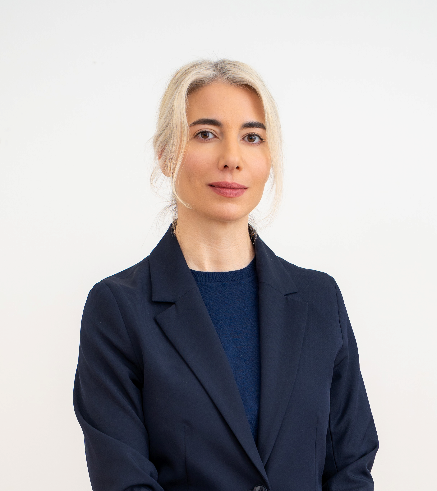
Candace Coleman
キャンデス コールマン
Dr. Candace Coleman is the Chief Medical Officer at YCO, offering health consultations and seminars for organizations in addition to seeing clients for individual therapy. She earned her BA and MD from Brown University and her MPH from Johns Hopkins Bloomberg School of Public Health. As a Fulbright scholar in Bangladesh, she studied Ayurveda (Indian traditional medicine) and later gained certification as an Ayurvedic Health Counselor. Her residency training in Family Medicine at Northwestern University focused on complexity care for underserved populations. In addition to her medical training, she saw patients for individual therapy and also taught mindfulness and yoga to men in a post-incarceration rehabilitation program. Prior to relocating to Japan, she worked as a primary care physician and was the director of the Integrative Health Program at her clinic in Washington state, where she is currently licensed. She is a 500-hour professional yoga instructor and has most recently taught aerial yoga and yoga for kids in Okinawa, Japan. She offers therapeutic yoga and aerial yoga sessions for clients and creates individualized movement programs to improve health.
As a therapist, she works with children, adolescents and adults using an integrative approach including Cognitive Behavioral Therapy (CBT) and Emotion Efficacy Therapy (EET). She has particular experience in working with trauma and is trained in using EMDR for trauma, PTSD, and C-PTSD. She is also trained in Emotionally-Focused Couples Therapy (EFCT) in order to help couples find ways to safely be vulnerable and strengthen their emotional bond.
CLOSE

Yoriko Nishi
西 依子 Part-timeYoriko is a bilingual (both in English a…
詳しく見る
Yoriko Nishi
西 依子Yoriko is a bilingual (both in English and Japanese) Licensed Marriage and Family Therapist (LMFT) and a clinical supervisor for licensed/unlicensed therapists over 15 years. She provides individual and couples therapy. She treats depression, anxiety, stress, trauma and relationship issues. Her goals are to guide people to go through the healing process and find peace within. She provides communication skills, mindfulness, acceptance, existential approach, problem solving, and how to be assertive for those who have difficulty attaining productive healthy relationships and how to adjust to different cultural and stressful issues. With her both East and West cultural education, Yoriko brings the benefit of both culture and spirituality/holistic approach into her therapeutic model.
CLOSE

George Takeda
ジョージ・タケダ Part-timeGeorge holds a Master of Science degree …
詳しく見る
George Takeda
ジョージ・タケダ
George holds a Master of Science degree in Marital & Family Therapy from Fuller Theological Seminary in California, USA and is a Licensed Marriage and Family Therapist (LMFT) in the state of California with over 10 years of experience working in the field of mental health. He had initially started working at a non-profit counseling center with adults and couple’s with various mental health issues, such as depression, anxiety, relationship issues, communication problems, etc. before transitioning to working with at-risk youth and their families at a state sponsored community mental health center. After spending 7 years working with children with serious mental and behavioral issues, including suicidal ideation, aggression, defiance, and ADHD symptoms, George transitioned to Japan in 2021 and began working with the Expat community and US military families.
Utilizing various different therapeutic modalities, including CBT, Restoration Therapy, and Attachment based therapies, he hopes to create a safe environment for his clients where they can build insight into the roots of they’re mental health difficulties and identify practical steps that they can take towards empowerment and healing. He uses only English for therapy.
CLOSE

Holiday Ooi
ホリデイ・オオイ Part-timeHoliday has earned a Master's degree in …
詳しく見る
Holiday Ooi
ホリデイ・オオイ
Holiday has earned a Master's degree in Psychology at Universiti Sains Malaysia. She possesses extensive experience working with adolescents and adults who face a variety of mental health issues, including but not limited to depression, anxiety, bipolar disorder, cultural adjustment, relationship issues, academic stress/burnout, and neurodevelopmental conditions such as ADHD. Her primary focus is on helping individuals struggling with ADHD and self-esteem.
She adopts a holistic and integrative therapeutic approach, utilizing a combination of Person-Centered, Solution-Focused, Narrative, and Mindfulness therapy to provide personalized treatment tailored to each individual's unique needs.
Her goal in therapy is to assist individuals to achieve their full potential. Holiday creates a safe and non-judgmental space for clients to explore their thoughts, feelings, and behaviors with her warm and supportive approach. She views therapy as a collaborative process and works closely with clients to identify their treatment goals and develop personalized plans to help them achieve them. If you are seeking a compassionate and experienced therapist to assist you in navigating life's challenges, Holiday will be a good fit for you. Therapy is available in English and Mandarin.
CLOSE

Masako Suga
菅 雅子 Part-timeClinical Psychologist, Certified Public …
詳しく見る
Masako Suga
菅 雅子
Clinical Psychologist, Certified Public Psychologist
Masako finished her master’s in clinical psychology at Showa Women's University.
She has been seeing child clients above five years old, adolescents, and their parents at an educational counseling center in Tokyo, public elementary and middle schools in Tokyo, and a local parenting center over 15 years. She has addressed a variety of issues and concerns of clients and helped them to restore their family bond and to strengthen their attachment to develop safety in their relationships, using integrative approaches in therapy. Masako also provides several psychological assessments to assist clients in finding their strengths and in improving the quality of their lives. Recently, she has started learning EFT(emotionally focused therapy)and has been using it to help couples feel safe in their relationships. By creating safe therapeutic relationships, Masako wants to help her clients to become more aware of their feelings and to find their own strengths so that they can feel comfortable with themselves and their lives. She speaks only Japanese in therapy.
| license | Clinical Psychologist, Certified Public Psychologist |
|---|
CLOSE

Courtney Valero
非常勤Courtney attended graduate school at Vil…
詳しく見る
Courtney Valero
Courtney attended graduate school at Villanova University to attain her MS in Clinical Mental Health Counseling. She has experience in special education, ABA, and working with children of all ages in outpatient and school settings, as well as experience with adults and teens in addiction treatment, eating disorder treatment, and marriage counseling. Courtney has taken specialized trainings in play therapy, dialectical behavioral therapy (DBT), and emotion focused couples therapy (EFCT). Courtney strives to create a welcome environment in which clients feel safe to explore any emotions or challenges that are preventing them from feeling their best. She maintains a non-judgmental approach and often incorporates an eclectic blend of different techniques to best meet the needs of her clients
CLOSE
Sayaka Maas
マース さやか 常勤Sayaka has been practicing as a Licensed…
詳しく見る
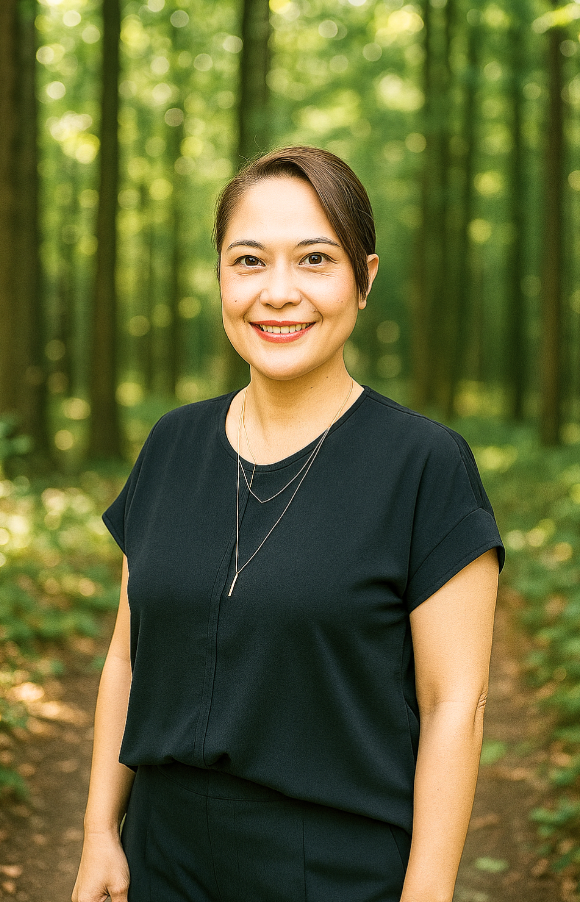
Sayaka Maas
マース さやか
Sayaka has been practicing as a Licensed Professional Counselor in the United States since 2016. Over the years, she has had the privilege of supporting military service members and their spouses, healthcare workers, first responders, adults, and adolescents. Her work has taken place in a wide variety of settings—including a U.S. Army hospital, behavioral health hospitals, residential and outpatient substance-use programs, and hospital-based outpatient clinics—giving her a rich and diverse foundation in mental health care.
Born and raised in Okinawa, Japan, Sayaka is fluent in both Japanese and English. After spending 19 years living in Europe and the United States, she returned home to Okinawa in 2024. She is grateful to be able to offer therapy in both languages and to work with clients from many different backgrounds.
At the heart of Sayaka’s approach is a deep belief in every person’s natural capacity for healing and growth. She honors each individual’s unique story and values creating a warm, peaceful, and collaborative space where clients feel truly seen and supported.
Sayaka is trained in a wide range of therapeutic approaches, including EMDR, Brainspotting, Sensorimotor Psychotherapy, CBT, mindfulness-based approaches, IFS-informed practice, expressive arts techniques, advanced perinatal mental health psychotherapy, DBT, and more. She integrates these modalities with care and intention, tailoring her approach to each client’s needs.
CLOSE
Adam Bates
アダム ベイツ Full-timeDr. Adam Bates has experience working wi…
詳しく見る
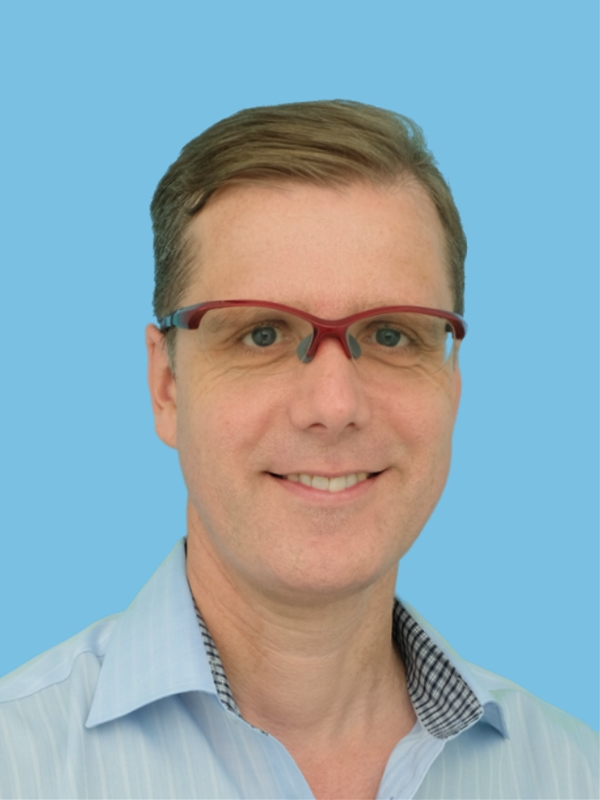
Adam Bates
アダム ベイツ
Dr. Adam Bates has experience working with clients from a great diversity of cultural backgrounds experiencing a wide range of presenting concerns, including depression, stress/anxiety, and interpersonal conflict. Adam has provided services to both individual clients and groups, and also loves working with couples. Adam has worked with clients including university students, couples, military spouses and active duty members, and the expat community.
As a therapist, Adam works with adults and couples experiencing a wide range of challenges. Adam predominantly uses cognitive behavioral therapy and client centered counseling with individual clients, and emotionally focused therapy and Gottman Method approaches with couples, but also draws on techniques from positive psychology, Acceptance and Commitment therapy, and differentiation/family systems.
He seeks to provide a warm, accepting, compassionate, and supportive environment in which clients can feel free to open up about what is truly important to them, allow clients to feel seen and understood at a deep level, and engage in in-depth exploration and self-discovery, feel better, and improve quality of life. He seeks to establish both client goals and the means of achieving them collaboratively, which he believes is associated with better therapeutic outcomes. Goals might include, for example, relieving symptoms, achieving greater self-knowledge and acceptance, coping skills, changing patterns of behavior that no longer serve a client’s life goals, and working to transform into the best version of yourself. Adam believes it truly is a great privilege to do work which helps people relieve their suffering, feel better, and live richer, more fulfilling and meaningful lives.
CLOSE
Hunter Soileau
ハンター ソワルー Full-timeI’m a U.S.-trained psychotherapist and s…
詳しく見る
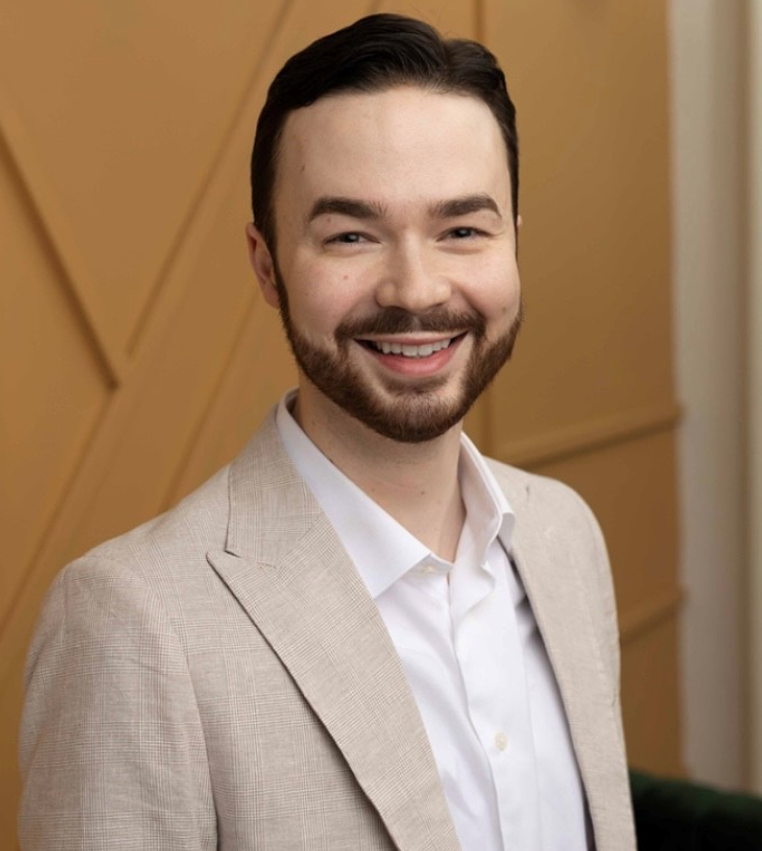
Hunter Soileau
ハンター ソワルー
I’m a U.S.-trained psychotherapist and social worker with a Master of Social Work from Columbia University, where I specialized in advanced clinical practice and international social welfare.
In addition to therapy, my background includes working with neurodivergent youth and young adults at NYU’s Ability Project, as well as consulting with UN-affiliated organizations supporting displaced people and refugees.
I focus on creating a supportive, nonjudgmental space where clients can make sense of their experiences, feel understood, and enact meaningful change. I primarily work with individuals and couples using approaches like CBT, REBT, and Narrative Therapy.
CLOSE
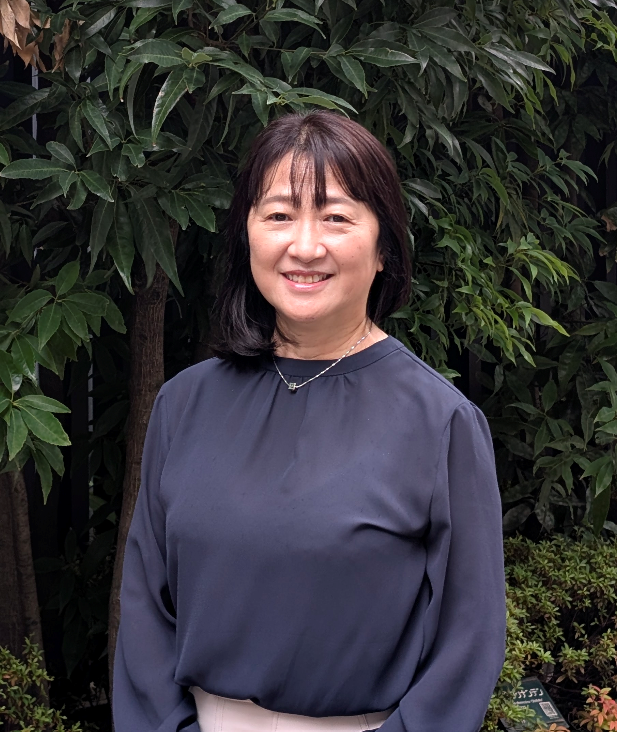
Mihoko Horii
堀井 美穂子 Part-timeCompleted the Master’s Program in Clinic…
詳しく見る
Mihoko Horii
堀井 美穂子
Completed the Master’s Program in Clinical Psychology, Graduate School of Life Sciences, Showa Women’s University
.
To date, I have worked as a psychologist at a specialized psychiatric hospital, a counseling support center at a national university, and a counseling agency for working adults
.
Through psychological testing, counseling, and group work, I have helped adults with developmental disorders or specific developmental characteristics understand their own traits and find it easier to navigate daily life and the workplace by providing practical strategies and support that fosters understanding from those around them. I have also provided support to individuals facing various mental health challenges, including adjustment disorder, depression, bipolar disorder, obsessive-compulsive disorder, anxiety disorders, attachment-related difficulties, and PTSD.
Through EAP (Employee Assistance Program), in addition to consultations regarding work-life balance, vocational suitability, and career development, I have provided support to individuals who are beginning to experience mental health issues, as well as those who are anxious before or after taking a leave of absence or returning to work. I also have experience working in the corporate sector, where I served in human resources and management roles. Drawing on this experience and taking into account the various positions within the workplace, I place great importance on working together with clients from a multifaceted perspective.
In counseling, I address a wide range of issues in daily life, including interpersonal relationship concerns, work and career path consultations, identity formation, and experiences of loss. While grounded in client-centered therapy, I also incorporate approaches such as cognitive-behavioral therapy, brief therapy, and family therapy to provide support that respects each individual’s values and pace. My hope is to help alleviate your distress and anxiety, even if only slightly, and to assist you in moving forward on your own path while cherishing your own emotions and intentions.
| Qualifications | Certified Clinical Psychologist, Certified Public Psychologist, Industrial Counselor |
|---|
CLOSE
Quick start guide
Please fill out the form below and we will contact you by email as soon as we can.
Access
| Company name | Yokohama Counseling Office |
|---|---|
| Representative director | Ryota Sakurai |
| Hours | 9:00~19:00 Some therapists could arrange an appointment outside of these working hours. Offices are closed from December 25 through January 3. Each therapist has different schedules, so please enquire regarding individual therapist's availability. Also, not all the therapists conduct in-person sessions. |
| Contact email | ryota@yokohama-counseling-office.com |
| Okinawa office | 8-2-401 Tobaru Chatan, Nakagami-gun 904-0104 |
| Yokosuka office | 1-3-9 Tsurugaoka Yokosuka 238-0056 |
FAQ
Can I choose a therapist?
Yes, you can. Please read the bios and let us know who you would like to see. Please also check the language(s) of the therapists and whether they match your needs regarding age (for children) and if they are able to provide the service you are looking for.
Do you accept insurance?
We don’t accept Japanese national health insurance. However, you might be able to get reimbursed with your foreign insurance. We can provide receipts for sessions.
Do you provide online counseling sessions?
Yes, we do. Actually, our schedule can be more flexible with online sessions.
How long would it take for me to start seeing progress?
It depends on what you bring to sessions and the severity of your needs which can change and develop over time. For your reference, it is said that one cycle of CBT is about 10 - 12 sessions. It may depend on the modality and whether you are looking for short-term or long-term sessions. Also, we think that you will be able to know whether you and your therapist are a good match by the 3rd session.
Job opportunities
We have some openings for therapists right now. Especially, we welcome newly licensed therapists and therapists working toward becoming licensed to apply. Being bilingual is not required. If you are interested, please contact us at the following email address.

 Appointment